


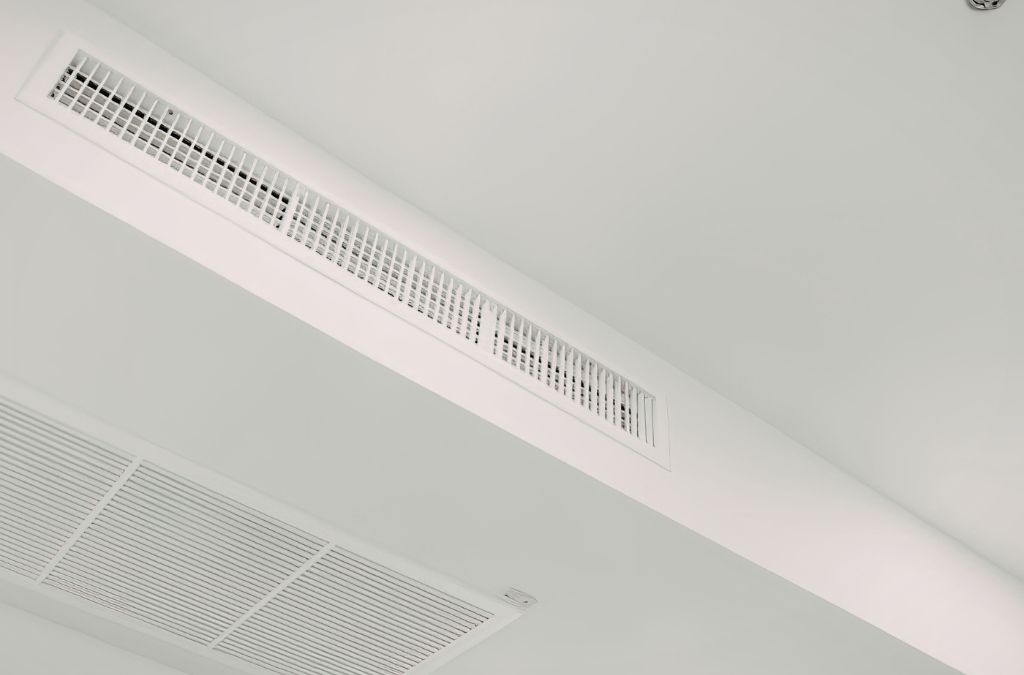
Clean air ducts improve energy efficiency from duct cleaning by reducing HVAC workload and removing dust and debris that restrict airflow. Wiz Team Inc., an IICRC-certified firm, notes that unrestricted ducts allow systems to circulate air efficiently, helping lower energy consumption. This process can extend equipment life and reduce monthly utility costs for Lake Forest properties.
Key Takeaways
- Clean air ducts reduce HVAC workload by removing dust and debris that restrict airflow.
- Unrestricted ducts allow systems to circulate air efficiently, lowering energy consumption.
- A NADCA study found duct cleaning reduces fan and blower energy consumption by 41% to 60%.
- The same study confirmed supply airflow improvements between 10% and 46% after cleaning.
What is air duct cleaning?
Air duct cleaning is the professional removal of dust, debris, and contaminants from a heating and cooling system’s ductwork. This process clears the pathways that circulate conditioned air through a home, directly affecting indoor air quality and system performance.
How does the cleaning process work?
The procedure targets every component of the HVAC system. Technicians clean supply and return ducts, registers, grilles, diffusers, heat exchangers, and cooling coils. Without this thorough approach, contaminants simply recirculate back into the living space.
Wiz Team, Inc. provides expert carpet cleaning, area rug cleaning, upholstery cleaning, tile and grout cleaning, pet stain and odor removal, and water damage restoration. Wiz Team, Inc. is a trusted, family-owned carpet cleaning and restoration company proudly serving Lake Forest, Libertyville, Deerfield, Wilmette, Highland Park, Gurnee, and nearby Illinois areas for 25+ years.
What contaminants accumulate in air ducts?
Dust and debris are the primary offenders. Over time, these materials build up inside ductwork and restrict airflow. The accumulation forces HVAC fans to work harder, consuming more energy to move air through the system.
Why do property managers schedule this service?
Clean ducts support consistent airflow and reduce strain on equipment. Homeowners and property managers in Lake County who neglect this maintenance face higher utility costs and premature system wear. The service restores proper circulation and helps protect the HVAC investment.
How does duct cleaning improve energy efficiency?
Clean ductwork directly reduces fan and blower energy consumption by 41% to 60%. A groundbreaking study by NADCA, The HVAC Inspection, Cleaning, and Restoration Association, in partnership with the University of Colorado, documented these substantial savings. The same research confirmed supply airflow improvements between 10% and 46% compared to uncleaned systems. These gains translate into lower monthly utility bills for Lake County homeowners.
Dirty ductwork forces HVAC equipment to work harder. Accumulated debris, dust, and contaminants create resistance that restricts conditioned air from reaching living spaces. The blower motor compensates by drawing more electricity. That extra energy consumption shows up on every bill.
What happens to airflow after professional duct cleaning?
Air moves more freely through clean ductwork. The NADCA study measured airflow increases from 10% up to 46% after thorough cleaning. Better airflow means rooms reach target temperatures faster. The system cycles off sooner, consuming less energy per heating or cooling session.
How does duct cleaning reduce strain on HVAC equipment?
Restrictions in ductwork place unnecessary stress on blower motors, heat exchangers, and compressors. Removing those blockages relieves that strain immediately. The NADCA research emphasized that maintaining clean ductwork and HVAC systems directly improves ventilation and conditioned air supply. Equipment operating under reduced load lasts longer and requires fewer repairs. Homeowners avoid the cost of premature component failure.
The energy efficiency from duct cleaning stems from this simple principle: unrestricted airflow requires less power. A system moving air through clean, unobstructed ducts delivers consistent comfort without wasting electricity. For property managers overseeing multiple buildings, the cumulative savings across several HVAC units become significant. The 41% to 60% reduction in fan energy use represents real dollars recovered month after month.
Can dirty ducts increase your heating bills?
Dirty air ducts restrict airflow through a heating system. This restriction forces the furnace to work harder and consume more energy to maintain the desired temperature.
A study by NADCA, The HVAC Inspection, Cleaning, and Restoration Association, in partnership with the University of Colorado, found that routine HVAC cleaning reduces fan and blower energy consumption by 41% to 60%. Supply airflow improvements ranged from 10% to 46% compared to uncleaned systems. These figures translate directly into higher operating costs for homeowners with contaminated ductwork. The system runs longer cycles. It struggles against the resistance that built-up debris creates.
How does restricted airflow affect furnace performance?
Restricted airflow causes inadequate ventilation throughout the home. The furnace compensates by running more frequently. This extra runtime increases monthly gas or electric consumption without delivering better comfort.
Will cleaning ducts always lower heating bills?
Not necessarily. One homeowner with a natural gas furnace and heavily soiled ducts reported no noticeable change in heating costs after professional cleaning. The cleaning did improve indoor air freshness. Furnace filters also lasted longer and performed more effectively. Results depend on the system’s condition and the severity of the contamination.
Wiz Team, Inc. brings over 25 years of experience in professional cleaning and restoration to every job. The company’s technicians assess ductwork thoroughly before recommending service. Energy efficiency from duct cleaning is a proven benefit in most cases. Even when cost savings are modest, cleaner ducts support better air quality and reduce strain on HVAC equipment.
What are the signs your ducts need cleaning?
Visible debris around supply vents signals a problem that directly undermines energy efficiency from duct cleaning efforts. A layer of black grime coating the interior surfaces indicates substantial buildup that restricts airflow and forces HVAC equipment to work harder. Homeowners who ignore these warning signs face steadily climbing utility costs and premature system wear.
What does visible duct contamination look like?
Dirty ductwork often presents as dark, sooty deposits around vent openings and on register covers. The accumulation may appear as a fine black powder or thicker, greasy residue lining the metal surfaces. When these contaminants are visible without specialized equipment, the buildup has already reached a level that impedes proper air circulation throughout the home.
How does a professional inspection identify hidden problems?
Wiz Team, Inc. begins every project with an on-site consultation to assess the condition of the system. Trained technicians examine duct material, surface conditions, and airflow patterns that homeowners cannot evaluate independently. The company holds IICRC certification, which ensures inspections follow rigorous industry standards and identify contamination before it causes measurable efficiency losses.
Additional indicators include inconsistent room temperatures, unexplained spikes in monthly energy bills, and excessive dust settling on furniture shortly after cleaning. These symptoms point to restricted airflow that forces blower motors to consume more electricity. Property managers who delay addressing duct contamination risk compounding damage to expensive HVAC components and enduring persistently poor indoor air quality.
Is professional duct cleaning worth the investment?
Professional duct cleaning delivers measurable energy savings that offset the service cost over time. A study by NADCA, The HVAC Inspection, Cleaning, and Restoration Association, in partnership with the University of Colorado, found fan and blower energy consumption dropped between 41% and 60% after routine HVAC cleaning. Supply airflow improved by 10% to 46% compared to uncleaned systems. Those gains translate directly into lower monthly utility bills for Lake County homeowners.
The energy efficiency from duct cleaning stems from removing accumulated debris that forces HVAC equipment to work harder. Restricted airflow means longer run cycles. Longer run cycles mean higher gas and electric consumption. Clean ducts restore designed airflow, allowing the furnace or air conditioner to reach set temperatures faster and shut off sooner.
How much can homeowners expect to save?
The NADCA study documents fan energy reductions up to 60%. Actual savings depend on system age, duct condition, and local utility rates. Homes with decades of accumulated dust and pet dander see the largest efficiency gains after professional cleaning.
Who should perform the duct cleaning?
Wiz Team, Inc. serves Lake Forest, Lake Zurich, and the greater Chicagoland area with expert cleaning services. The family-owned company employs 18 team members, ensuring personalized attention and consistent reliability on every job. Homeowners who skip professional cleaning accept ongoing efficiency losses that compound with each heating and cooling season.
FAQ
How does air duct cleaning lower energy bills?
Clean ductwork reduces fan and blower energy consumption by 41% to 60%, according to a NADCA study. This directly lowers monthly utility costs for Lake County homeowners.
What airflow improvements come from professional duct cleaning?
The NADCA study measured supply airflow increases between 10% and 46% after cleaning. Better airflow allows rooms to reach target temperatures faster, reducing system run time.
Why does dirty ductwork increase HVAC energy use?
Dust and debris restrict airflow, forcing the blower motor to draw more electricity. This extra energy consumption appears on every utility bill.
Conclusion
For homeowners weighing the decision, the evidence points to one conclusion: professional duct cleaning restores the airflow your HVAC system was designed to deliver, and that restoration translates into lower operating costs and reduced strain on equipment. The choice to schedule service is a direct investment in both monthly savings and long-term system longevity. Property managers and homeowners alike who act on visible contamination or rising bills position themselves to capture those documented efficiency gains without further delay.