


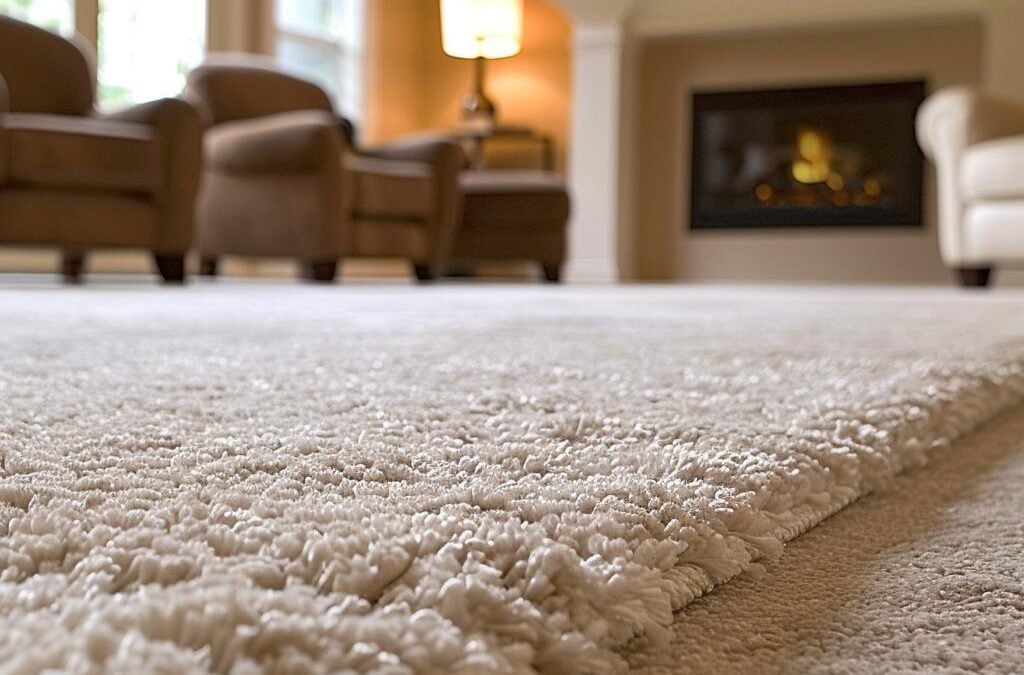
Carpet cleaning in Lake Zurich can help remove embedded soil, tracked-in debris, spots, and odors that routine vacuuming cannot fully address. Professional cleaning typically begins with an inspection of the carpet and its condition, followed by thorough vacuuming, targeted treatment of spots and soils, cleaning, and careful moisture extraction. For Lake Zurich homeowners, regular professional cleaning can be especially useful after seasons of snow, rain, pollen, and increased indoor activity have brought additional soil into the home.
Why Carpet Cleaning Matters in Lake Zurich Homes
Carpet does more than cover a floor. Its fibers collect particles that enter the home throughout the day, including soil, dust, food debris, and material tracked in on shoes.
Lake Zurich experiences the seasonal changes common throughout the Chicago metropolitan area. Winter can bring snow, road salt, and wet footwear. Spring often means more moisture and pollen entering through doors and windows. Summer brings increased outdoor activity, while fall can introduce leaves, soil, and other debris.
Much of this material eventually ends up in carpeting.
Regular vacuuming is an important part of carpet maintenance, but it primarily addresses loose debris near the surface. Soil can also become lodged deeper within the carpet pile. Foot traffic then works those particles against the fibers, which can contribute to a dull or worn appearance over time.
Professional cleaning provides a deeper level of soil removal while giving homeowners an opportunity to address specific stains, odors, and heavily used areas.
How Much Soil Can Carpet Hold?
Carpet can look reasonably clean while still containing a considerable amount of accumulated soil.
Fine particles can settle between carpet fibers and become difficult to remove with a household vacuum alone. Larger particles may also be carried deeper into the pile as people walk across the carpet.
Entryways, hallways, stairs, family rooms, and areas around frequently used furniture generally experience more traffic than guest rooms or other lightly used spaces. As a result, these areas may show wear or discoloration sooner.
A professional carpet cleaning assessment considers these differences rather than treating every part of the home exactly the same way.
What Professional Carpet Cleaning Involves
Professional carpet cleaning is not simply a matter of applying water and removing it. The cleaning process should be selected according to the carpet’s fiber, construction, condition, and type of soil present.
A typical professional service may include several stages.
1. Carpet Inspection
The process begins by examining the carpet.
A technician can identify the fiber type, construction, heavily soiled areas, visible stains, wear patterns, and other conditions that may affect the cleaning approach.
This step is important because different carpet materials can have different cleaning requirements. A method that works well for one carpet may not be appropriate for another.
2. Thorough Vacuuming
Loose dry soil should be removed before deeper cleaning begins.
Vacuuming helps collect particles that would otherwise become wet during the cleaning process. Removing as much loose material as practical also allows subsequent cleaning treatments to focus on soil that is more firmly attached to the fibers.
Homeowners can support this process by maintaining a regular vacuuming schedule between professional appointments.
3. Spot and Soil Treatment
Some areas require additional attention before the primary cleaning step.
Professional cleaners may apply specialized solutions to spots, oily residues, or heavily soiled sections. These products are selected according to the type of soil and the characteristics of the carpet.
The goal is to loosen soil so it can be more effectively removed during the cleaning stage.
4. Agitation When Appropriate
Some carpet cleaning processes use mechanical or manual agitation to distribute cleaning solutions and help loosen soil from the fibers.
Agitation is not necessarily required for every carpet or every situation. The appropriate approach depends on the carpet’s construction and condition.
5. Deep Cleaning and Extraction
Many professional carpet cleaners use hot water extraction.
In simple terms, this process introduces a controlled amount of cleaning solution and water into the carpet before extracting the resulting mixture along with suspended soil.
The extraction stage is particularly important because effective cleaning is not only about loosening dirt. The loosened material must also be removed from the carpet.
6. Final Inspection
After cleaning, the technician can review the carpet to identify areas that may need additional attention.
Some stains may require specialized treatment, and not every discoloration can be completely removed. Factors such as the age of a stain, the substance involved, previous cleaning attempts, and permanent fiber damage can affect the final result.
A professional assessment should set realistic expectations rather than promise that every stain will disappear.
Common Carpet Problems in Lake Zurich Homes
Winter Salt and Outdoor Soil
Winter weather can create a particularly difficult combination of moisture and abrasive material.
Salt and other residues can be carried indoors on shoes and boots. Once the moisture evaporates, remaining particles can become embedded in carpet fibers.
A practical first step is to place durable mats at exterior entrances and encourage household members to remove wet footwear before walking through carpeted areas.
Regular vacuuming of entryways can also help reduce the amount of dry soil that gets distributed throughout the home.
Food and Beverage Spills
Spills are among the most common carpet problems.
When something is spilled, the best approach is usually to act quickly. Blot the area with a clean, absorbent cloth rather than aggressively rubbing it.
Rubbing can spread the spill and may work the substance deeper into the carpet.
The cleaning product should also be appropriate for the specific carpet. Using too much detergent or an unsuitable household chemical can create additional problems, including residue or discoloration.
Pet-Related Spots and Odors
Pets can create challenging carpet conditions, particularly in frequently used areas.
Visible spots may be relatively straightforward to treat when addressed promptly. Odor can be more complicated when urine or another substance has penetrated beneath the visible surface.
In these situations, surface cleaning alone may not address the entire source. A professional should evaluate the affected area and determine how far the contamination has traveled before recommending treatment.
High-Traffic Areas
Hallways and family rooms often become visibly darker than surrounding carpet.
This does not necessarily mean the carpet is permanently damaged. Repeated foot traffic can push soil into the pile and create noticeable traffic patterns.
Professional cleaning can remove accumulated soil, although permanently worn or damaged fibers cannot always be restored through cleaning alone.
How Often Should Carpets Be Professionally Cleaned?
There is no single schedule that works for every home.
The appropriate frequency depends on several factors, including:
- Number of people living in the home
- Amount of foot traffic
- Presence of pets
- Children and household activities
- Carpet color and fiber type
- Outdoor soil conditions
- Frequency of vacuuming
- Visible staining and traffic patterns
A lightly used guest room may need professional cleaning less frequently than a busy family room or hallway.
Instead of waiting until the carpet looks heavily soiled, homeowners can use visible traffic patterns, recurring spots, odors, and changes in appearance as signals that deeper cleaning may be appropriate.
What Homeowners Should Do Between Professional Cleanings
Professional cleaning works best when combined with regular maintenance.
Vacuum High-Traffic Areas Regularly
Focus on entrances, hallways, stairs, and rooms that receive the most activity.
Vacuuming frequency should reflect how quickly soil accumulates rather than following a rigid schedule.
Use Entry Mats
A quality mat at exterior entrances can help capture some soil and moisture before they reach the carpet.
Keeping those mats clean is equally important. A heavily soiled mat has limited ability to capture additional debris.
Address Spills Quickly
Blot spills as soon as possible.
Avoid aggressive scrubbing, and do not automatically reach for strong household chemicals. If you’re unsure whether a product is appropriate for the carpet, check the carpet manufacturer’s care recommendations or consult a professional.
Move Furniture Carefully
Heavy furniture can create impressions in carpet over time. When furniture is moved, avoid dragging it directly across the carpet because this can damage fibers.
Keep Outdoor Soil Outside
Removing shoes at the entrance can substantially reduce the amount of outdoor material introduced into carpeted areas.
This simple habit can make routine carpet maintenance easier.
Can Professional Cleaning Remove Every Stain?
No cleaning method can guarantee removal of every stain.
The outcome depends on what caused the stain and how long it has been present.
Some substances can permanently alter carpet fibers or dyes. Other stains may have been treated previously with products that changed the appearance of the affected area.
Heat, sunlight, age, and repeated traffic can also affect discoloration.
A reputable carpet cleaning professional should evaluate difficult stains before treatment and explain what level of improvement is reasonably possible.
That approach is more useful than promising complete removal before the carpet has been inspected.
Does Carpet Cleaning Leave Carpet Wet?
Professional cleaning involves moisture, but effective extraction is designed to remove as much of that moisture as practical.
Actual drying time can vary considerably.
Factors include:
- Carpet construction
- Amount of moisture used
- Effectiveness of extraction
- Indoor temperature
- Humidity
- Air circulation
- Room size
- Carpet and pad condition
Improving airflow after cleaning can help support evaporation. Opening appropriate windows, using fans, and maintaining comfortable indoor conditions may help, depending on the weather and home’s ventilation.
Homeowners should follow the technician’s instructions regarding when it is appropriate to walk on or replace furniture on the cleaned carpet.
Choosing a Carpet Cleaning Company in Lake Zurich
When comparing carpet cleaning companies, price should not be the only consideration.
A useful starting point is asking how the company approaches the job.
Ask About the Cleaning Method
A professional should be able to explain the cleaning method in straightforward language rather than relying on complicated terminology.
Ask what type of cleaning is being recommended and why it is appropriate for the carpet.
Ask About Stain Treatment
If the home has specific stains or odor problems, mention them before the appointment.
This gives the technician an opportunity to determine whether specialized treatment may be necessary.
Ask What Is Included
Before scheduling service, confirm what the quoted price covers.
Ask whether the estimate includes:
- Pre-treatment
- Cleaning
- Extraction
- Spot treatment
- Deodorizing, if requested
- Additional charges for heavily soiled areas or special treatments
Clear communication can help prevent misunderstandings.
Look for Experience With Different Carpet Conditions
Carpet cleaning is not one-size-fits-all.
Experience with different fibers, carpet constructions, stains, and traffic conditions can help a technician select an appropriate approach.
Be Cautious of Unrealistic Promises
Be skeptical of claims that guarantee permanent stain removal, completely eliminate every allergen, or restore any carpet regardless of its condition.
Professional cleaning can provide significant improvement, but the condition of the carpet before cleaning matters.
Understanding Common Carpet Cleaning Terms
The terminology used by carpet cleaning companies can sometimes be confusing. Here are several terms worth knowing.
Pre-treatment: A cleaning solution applied before the main cleaning process to help loosen specific types of soil.
Extraction: The process of removing cleaning solution, water, and suspended soil from the carpet.
Agitation: Mechanical or manual action used to help distribute cleaning solutions and loosen soil.
Surfactant: An ingredient that helps cleaning solutions interact with and loosen certain types of soil.
Carpet pile: The visible surface made up of the carpet’s fibers.
Carpet backing: The material that supports and holds the carpet fibers in place.
Traffic lane: An area of carpet that becomes visibly affected by repeated foot traffic.
Understanding these terms makes it easier to ask useful questions when comparing professional cleaning services.
When Is It Time to Call a Professional?
A professional cleaning may be worth considering when routine vacuuming is no longer enough to maintain the carpet’s appearance.
Common signs include:
- Noticeably dark traffic lanes
- Persistent spots
- Accumulated soil near entrances
- Lingering odors
- Carpet that looks dull despite regular vacuuming
- Areas that receive significantly more traffic than the rest of the home
- Pet-related spots that keep returning
- Carpet that has not received a deeper cleaning for an extended period
Professional cleaning can also be useful before or after major household events when carpets have experienced unusually heavy traffic.
A Practical Carpet Care Routine for Lake Zurich Homeowners
A simple maintenance routine can help reduce the amount of soil that accumulates between professional cleanings.
Daily: Address fresh spills and keep outdoor debris near entrances under control.
Weekly: Vacuum the home’s main traffic areas and inspect entrances for accumulated soil.
Monthly: Check stairs, hallways, furniture edges, and less noticeable areas for developing traffic patterns or spots.
Seasonally: Pay particular attention to changes in outdoor conditions. Winter moisture and salt, spring pollen, summer activity, and fall debris can all affect how much material enters the home.
As needed: Schedule professional cleaning when accumulated soil, staining, or odors can no longer be adequately managed through routine maintenance.
This approach is more practical than relying on a fixed cleaning interval for every household.
Professional Carpet Cleaning in Lake Zurich
Keeping carpet clean is ultimately about more than making the floor look better for a few days. Consistent maintenance helps homeowners manage accumulated soil, respond to spills before they become more difficult to treat, and recognize when professional cleaning is appropriate.
For homes in Lake Zurich, seasonal outdoor conditions make entryway maintenance, regular vacuuming, and timely spot treatment particularly useful. When deeper cleaning is needed, a professional can evaluate the carpet and select a cleaning approach based on its construction, condition, and type of soil present.
Wiz Team, Inc. serves Lake Zurich and the surrounding area from its location on Telser Road. Homeowners looking for carpet cleaning in Lake Zurich can use a professional assessment to determine what their carpet needs rather than relying on a one-size-fits-all cleaning program.
The best carpet care strategy is a combination of everyday maintenance, prompt attention to spills, and professional cleaning when accumulated soil or difficult spots require a deeper approach.