


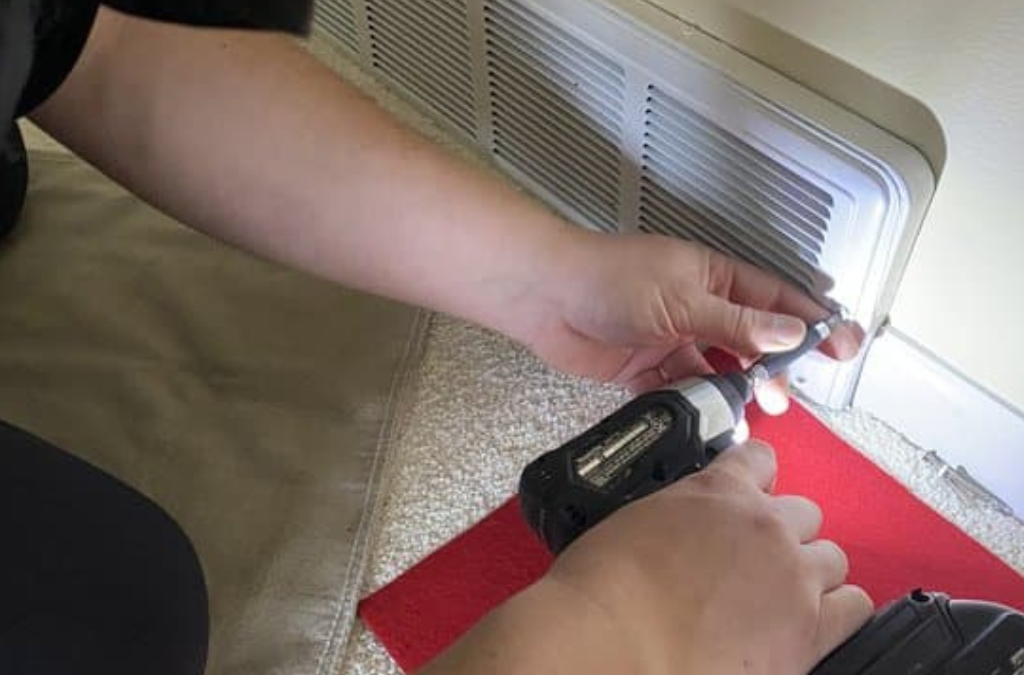
Air duct cleaning in Lake Zurich can help remove accumulated dust, dirt, and debris from accessible areas of an HVAC system when those materials are affecting cleanliness or airflow. Professional duct cleaning typically involves inspecting the system, placing appropriate vacuum equipment under controlled negative pressure, and using mechanical agitation or air tools to loosen and collect debris. However, duct cleaning is not automatically necessary for every home. Homeowners should consider the condition of the ductwork, the amount of visible buildup, recent renovation work, and other factors before scheduling service.
When Does Air Duct Cleaning Make Sense?
Air ducts are designed to move conditioned air throughout a home. Because the system continually circulates air, some airborne particles can eventually settle inside the ductwork.
That does not mean every dusty duct requires professional cleaning.
A small amount of settled dust is normal in many HVAC systems. The more important question is whether there is a meaningful amount of debris inside the system or another condition that warrants professional attention.
Homeowners in Lake Zurich may want to consider an inspection when they notice visible debris around registers, recently completed construction or remodeling, unexplained buildup inside accessible duct sections, or evidence that contaminants have entered the HVAC system.
An inspection can help determine whether cleaning is actually appropriate.
How Lake Zurich’s Seasons Can Affect HVAC Systems
Lake Zurich experiences significant seasonal changes, and HVAC systems may operate extensively throughout both winter and summer.
During winter, heating systems can run frequently as temperatures fall. Spring and summer bring different challenges, including increased outdoor activity, pollen, and dust entering homes through doors, windows, and normal household activity.
Fall then brings another transition as heating systems begin operating more regularly.
These seasonal changes do not automatically mean that air ducts need to be cleaned. Instead, they highlight the importance of regular HVAC maintenance, filter replacement, and keeping supply and return areas free from excessive dust.
For homeowners who have not inspected their ductwork in years, a professional assessment can help determine whether accumulated debris has become significant enough to warrant cleaning.
What Is Included in Professional Air Duct Cleaning?
A thorough duct cleaning should focus on the portions of the HVAC system where debris has actually accumulated.
The exact process varies according to the home’s HVAC configuration and the condition of the ductwork, but professional service may include several steps.
1. HVAC System Inspection
The technician first evaluates the system and identifies accessible supply and return ducts.
This inspection helps determine where debris is located and which cleaning method is appropriate. It can also identify conditions that may require attention from an HVAC professional rather than a duct cleaning company.
2. System Preparation
Appropriate access points are established before cleaning begins.
The technician may protect surrounding areas and position vacuum equipment so that loosened debris is collected rather than released into the living space.
3. Negative Air Pressure
Professional duct cleaning commonly uses a powerful vacuum collection system.
The system creates controlled negative pressure within the ductwork. In simple terms, this helps direct loosened material toward the collection equipment instead of allowing it to move freely through the home.
The equipment and setup should be appropriate for the size and configuration of the HVAC system.
4. Mechanical Agitation
Some duct surfaces require more than vacuuming alone.
Technicians may use brushes, air whips, or other agitation tools to loosen debris from the interior surfaces of accessible ductwork.
The objective is straightforward: loosen accumulated material so the vacuum system can capture it.
The equipment should be selected carefully to avoid damaging flexible ducts, insulation, or other components.
5. Supply and Return Duct Cleaning
Both supply and return pathways may accumulate debris.
Cleaning only the visible register covers does not constitute a complete duct cleaning. The goal is to address accessible sections of the actual duct system where buildup is present.
6. Register and Grille Cleaning
Registers and grilles can collect noticeable amounts of dust because they sit directly within the airflow path.
Removing and cleaning these components can improve their appearance and prevent loose surface debris from immediately returning to the system.
7. Final Inspection
After cleaning, the technician should review the accessible areas that were serviced.
A final inspection helps confirm that the identified buildup has been addressed and gives the homeowner an opportunity to ask questions about the condition of the HVAC system.
What Can Build Up Inside Air Ducts?
Several types of material can accumulate inside HVAC systems.
Household Dust
Dust is one of the most common materials found in residential environments. Some of it can eventually settle inside ductwork.
Pet Hair and Dander
Homes with pets may introduce additional hair and dander into the indoor environment. Proper filtration and regular housekeeping remain important for managing these materials.
Construction Debris
Renovation projects can introduce drywall dust, sawdust, insulation particles, and other debris into a home’s environment.
If construction has taken place while the HVAC system was operating, checking accessible ductwork can be worthwhile.
Dirt and Outdoor Particles
Outdoor soil can enter homes through doors, footwear, pets, and normal household activity. Some of this material can eventually reach HVAC components.
Other Debris
In poorly maintained systems, technicians may occasionally encounter larger debris or foreign material.
The presence and amount of debris vary considerably from one property to another. That is why an inspection is more useful than assuming every duct system needs the same treatment.
Does Air Duct Cleaning Improve Indoor Air Quality?
This question requires some nuance.
Cleaning accumulated debris from a contaminated portion of an HVAC system can reduce the amount of that material remaining inside the system. However, duct cleaning should not be presented as a universal solution for indoor air quality.
Indoor air quality is influenced by many factors, including:
- HVAC filtration
- Outdoor air entering the home
- Humidity
- Household activities
- Cleaning practices
- Building materials
- Ventilation
- Combustion sources
- Moisture problems
Replacing HVAC filters according to the manufacturer’s recommendations is an important part of routine system maintenance.
If a home has persistent indoor air quality concerns, homeowners should identify the underlying source rather than assuming that dirty ductwork is responsible.
Can Air Duct Cleaning Remove Mold?
Mold requires particular caution.
If visible microbial growth is found inside an HVAC system, the appropriate response depends on the material affected and the source of the moisture.
Simply cleaning a duct does not eliminate the underlying moisture problem that allowed microbial growth to develop.
Homeowners who suspect significant mold contamination should seek an appropriate assessment before deciding on a cleaning or remediation strategy.
A professional should also avoid automatically describing ordinary dust buildup as mold.
Does Air Duct Cleaning Improve Energy Efficiency?
Air duct cleaning should not automatically be promoted as a way to reduce utility bills.
HVAC efficiency depends on many factors, including equipment condition, insulation, duct leakage, filter condition, thermostat settings, system sizing, and overall maintenance.
If significant debris is obstructing airflow, cleaning may help restore the affected portion of the system to a cleaner condition. However, homeowners should not expect duct cleaning alone to produce a specific percentage reduction in energy costs.
For efficiency problems, an HVAC professional can evaluate the system more comprehensively.
How Often Should Air Ducts Be Cleaned?
There is no universal three-year or five-year rule that applies to every home.
The appropriate timing depends on the condition of the system and circumstances within the property.
Factors that may justify an inspection include:
- Significant visible debris inside accessible ductwork
- Recent remodeling or construction
- Evidence of pests or nesting material
- Water damage affecting duct components
- Unusual accumulation of debris
- A change in the condition of the HVAC system
- Specific concerns identified during routine HVAC maintenance
Regularly cleaning ducts simply because a certain number of years has passed may not be necessary if the system is clean and functioning properly.
What Homeowners Can Do Before Calling a Professional
Professional duct cleaning is only one part of HVAC maintenance.
Replace HVAC Filters Regularly
A properly selected and maintained filter helps capture airborne particles before they circulate through the system.
Follow the manufacturer’s recommendations for filter type and replacement frequency. Homes with pets, renovations, or other sources of increased particulate matter may require more frequent attention.
Keep Registers and Returns Clean
Dust can accumulate around supply registers and return grilles.
Regularly vacuuming these accessible surfaces helps prevent loose debris from accumulating around the openings.
Control Moisture
Moisture problems can create conditions that affect HVAC components and indoor spaces.
Address plumbing leaks, condensation issues, and other moisture sources promptly rather than treating the ductwork as the source of the problem.
Keep Renovation Dust Under Control
During remodeling, use appropriate containment and protect HVAC components whenever possible.
Once construction is complete, homeowners can inspect accessible registers and duct openings for evidence of excessive debris.
What Should You Ask an Air Duct Cleaning Company?
Not every duct cleaning service follows the same process.
Before scheduling an appointment, homeowners can ask a few straightforward questions.
What Areas Will You Clean?
Ask whether the service includes supply ducts, return ducts, registers, and other accessible HVAC components.
How Will You Collect the Debris?
A professional should be able to explain how vacuum equipment and agitation tools will be used and how loosened material will be contained.
Will You Inspect the System First?
An inspection helps determine whether cleaning is actually necessary and identifies areas requiring attention.
Are Additional Treatments Included?
Be cautious about automatically accepting sanitizers, fragrances, sealants, or antimicrobial products.
These treatments are not appropriate for every system. Ask what product is being proposed, why it is needed, and where it will be applied.
Are There Additional Charges?
Ask for a clear explanation of the service scope and pricing before work begins.
This is especially important for larger homes or HVAC systems with multiple zones.
Air Duct Cleaning vs. HVAC Maintenance
Duct cleaning and HVAC maintenance are related but different services.
Duct cleaning focuses primarily on removing accumulated debris from accessible portions of the duct system.
HVAC maintenance involves the mechanical operation and condition of the heating and cooling equipment.
Depending on the system, HVAC maintenance may involve components such as filters, coils, electrical connections, blower components, refrigerant-related systems, or other equipment.
A duct cleaning company should not be treated as a replacement for qualified HVAC maintenance.
If the system is not heating or cooling properly, making unusual noises, leaking, or experiencing mechanical problems, an HVAC professional may be the more appropriate first call.
Common Air Duct Cleaning Mistakes to Avoid
Assuming Every Dirty Register Means the Ducts Need Cleaning
A dusty register does not necessarily mean the entire duct system is heavily contaminated.
Check the actual condition of the ductwork before deciding on a full cleaning.
Choosing a Company Based Only on the Lowest Price
Extremely low initial prices may not reflect the complete scope of work.
Compare what each company actually includes before making a decision.
Treating Cleaning as a Cure for Every Indoor Air Problem
Duct cleaning addresses accumulated material within the HVAC system. It does not automatically resolve humidity problems, outdoor pollution, household dust sources, poor ventilation, or other indoor air quality concerns.
Using Strong Chemicals Without Understanding Their Purpose
Not every HVAC system needs an antimicrobial treatment or chemical application.
Homeowners should understand what is being applied and why before approving additional treatments.
Technical Glossary
| Term | Simple Definition |
|---|---|
| Air duct | A passage that carries conditioned air through a building. |
| Supply duct | Ductwork that carries heated or cooled air from the HVAC system into rooms. |
| Return duct | Ductwork that carries indoor air back toward the HVAC equipment. |
| Negative air pressure | A controlled vacuum condition that helps direct loosened debris toward collection equipment. |
| Mechanical agitation | The use of brushes or other tools to loosen debris from duct surfaces. |
| HVAC | Heating, ventilation, and air conditioning equipment and systems. |
| Register | The visible grille through which conditioned air enters or leaves a room. |
| HEPA filter | A high-efficiency filter designed to capture very small airborne particles. |
When to Consider Air Duct Cleaning in Lake Zurich
Air duct cleaning is most useful when there is a specific reason to believe that significant debris has accumulated within the HVAC system.
Lake Zurich homeowners can start by checking accessible registers, replacing HVAC filters regularly, and keeping return grilles clean. If there has been construction, water damage, pest activity, or noticeable debris inside the ductwork, a professional inspection can help determine the next step.
The goal should not be to clean ducts simply because a certain amount of time has passed. Instead, homeowners should focus on the actual condition of the system.
For residents looking for air duct cleaning in Lake Zurich, Wiz Team, Inc. can evaluate the condition of the accessible HVAC ductwork and determine whether professional cleaning is appropriate. A careful inspection and clearly explained cleaning process give homeowners a better basis for maintaining their HVAC system and indoor environment.