


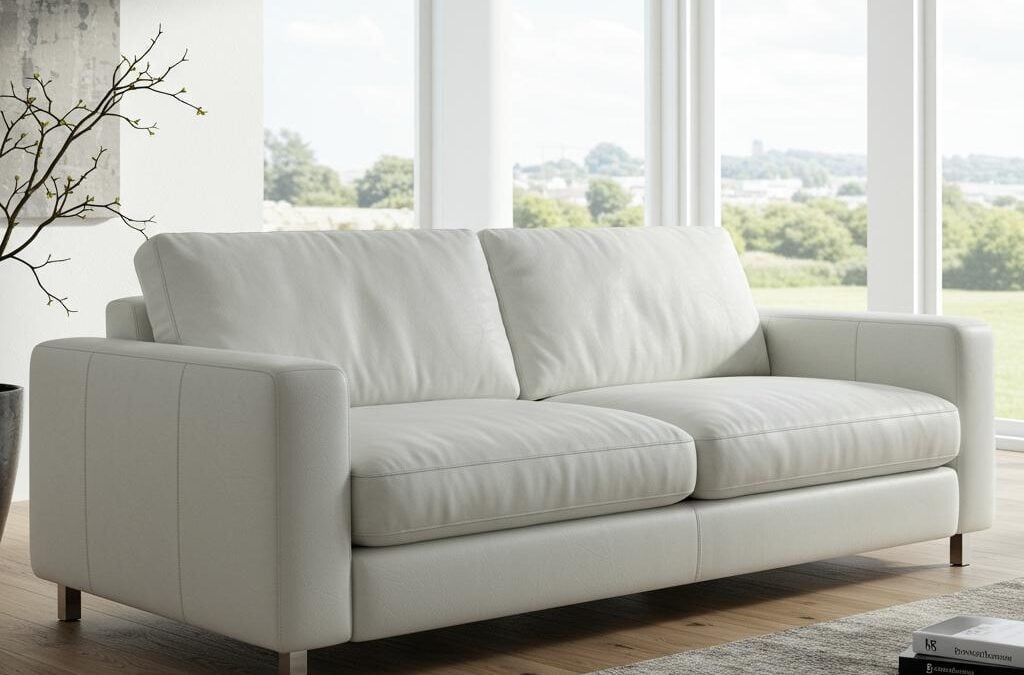
Knowing how to remove tough stains from upholstery starts with professional upholstery cleaning Lake Forest IL homeowners trust, using hot water extraction and specialized pre-sprays to break down tough stains without damaging delicate fabrics. Wiz Team, Inc., an IICRC-certified firm with master-level technicians, applies eco-friendly solutions for pet stains and set-in dirt. Upholstery Stain Removal Techniques Lake Forest restores furniture safely while extending its lifespan.
Key Takeaways
- Immediate blotting with a clean white cloth prevents spills from penetrating deeper into upholstery fibers.
- Scrubbing forces the substance sideways into the weave and abrades the fiber surface, causing permanent damage.
- Checking the furniture’s cleaning code tag dictates which solutions are safe for the specific fabric type.
- Set-in stains demand specialized enzyme-based pretreatment that sits for a prescribed dwell time before extraction.
What should you do first after a spill?
Immediate blotting prevents stains from setting permanently into upholstery fibers. A swift response with a clean, white absorbent cloth stops the spill from penetrating deeper layers of the fabric. Delaying action allows liquids to wick into cushion cores, where removal becomes far more difficult.
How does blotting differ from scrubbing?
Blotting lifts the spill upward without damaging the textile. Scrubbing forces the substance sideways into the weave and abrades the fiber surface. The technique requires pressing firmly and lifting straight up, repeating with dry sections of the cloth until no more moisture transfers.
Why do household cleaners make stains worse?
When someone applies household cleaning products to upholstery, the original stain is no longer the only concern. Sparkly Clean documented a Lake Forest Park case where prior cleaning attempts created secondary discoloration and set the initial stain deeper. Residue from spray cleaners often bleaches dyes or leaves a sticky film that attracts new soil.
Upholstery Stain Removal Techniques Lake Forest professionals follow a strict protocol after blotting. The next step involves checking the furniture’s cleaning code tag, typically located under a cushion or on the deck. Codes W, S, WS, and X dictate which solutions are safe. Using water on an S-coded fabric causes water rings and shrinkage. Solvent cleaners on W-coded materials fail to dissolve water-based soils. Code X fabrics require vacuum-only maintenance and immediate professional attention for any spill.
Wiz Team Inc. brings over 25 years of experience in professional cleaning and restoration to Lake Forest homes. The company’s technicians assess the fabric code and spill composition before selecting from proven stain removal methods matched to the specific textile. Hot water extraction, low-moisture encapsulation, and dry solvent spotting each address different fabric and soil combinations. A wrong choice at this stage risks permanent damage that replacement alone can fix.
How do you remove common stains step by step?
Removing upholstery stains requires a methodical approach matched to the fabric and the stain type. Professional Upholstery Stain Removal Techniques Lake Forest providers follow specific protocols that protect delicate fibers while eliminating discoloration. Without proper technique, aggressive scrubbing or wrong cleaning agents permanently damage furniture textiles and set stains deeper into cushion layers.
What is the first step in treating an upholstery stain?
Immediate blotting prevents the stain from penetrating deeper. A clean white cloth pressed firmly against the spill absorbs excess liquid. Rubbing spreads the contaminant and forces it into the fabric backing. For solid residues, a dull edge lifts material without grinding it into fibers.
Which cleaning method works best for water-safe fabrics?
The answer depends on fabric durability and stain composition. Three primary techniques address different scenarios:
- Blot excess material immediately with a dry white cloth. Press straight down without rubbing.
- Apply a pH-appropriate spotting agent to a hidden area first. Test for colorfastness before treating the visible stain.
- Use hot water extraction for deep-set organic stains. High-pressure hot water loosens and removes deep dirt and stains from within fabric layers.
- Select a low-moisture system for delicate or natural fibers. Minimal water systems suit delicate fabrics and reduce drying time, preventing shrinkage and browning.
- Choose solvent-based dry cleaning for moisture-sensitive materials. Solvent-based cleaning for fabrics that cannot tolerate moisture dissolves oily residues without water damage.
Wiz Team Inc. applies these methods using eco-friendly products and advanced technology for all cleaning services. The company’s technicians assess fiber content and stain chemistry before selecting the appropriate technique.
How do professionals handle set-in or old stains?
Set-in stains demand specialized pretreatment. An enzyme-based dwell agent breaks down protein bonds in food, blood, or pet accidents. The solution sits for a prescribed dwell time before extraction begins. Rushing this step leaves residual matter that wicks back to the surface as the fabric dries. For complete guidance on safe fabric care methods, the company’s upholstery steam cleaning techniques resource details the full process. Lake Forest homeowners benefit from technicians who identify stain composition and match the correct removal chemistry to each situation.
What common DIY mistakes should you avoid?
DIY upholstery stain removal in Lake Forest often creates more damage than the original spill. Homeowners who reach for household cleaners before understanding fabric chemistry risk permanent discoloration and fiber degradation.
What happens when household cleaners are used on upholstery stains?
Previous cleaning attempts with common household products complicate professional stain treatment significantly. Sparkly Clean documented a Lake Forest Park case where a homeowner’s initial scrubbing drove contaminants deeper into light-colored sofa fibers. The stain spread beneath the surface. Professional restoration then required reversing both the original blemish and the chemical reactions triggered by off-the-shelf sprays.
Why does over-wetting upholstery cause permanent damage?
Excess moisture saturates delicate fabric cushions and triggers dye transfer from underlying materials. Sparkly Clean’s technicians encountered this exact problem when manufacturer labels beneath sofa cushions bled color onto light upholstery after a homeowner applied too much water. Each problem demanded a careful approach rather than adding more cleaning solution. The damage from over-saturation is frequently irreversible.
How should Lake Forest homeowners assess fabric before cleaning?
Wiz Team Inc. provides on-site consultations to assess fiber type and condition before any cleaning begins. This evaluation identifies natural versus synthetic materials, existing wear patterns, and hidden dye migration risks. Homeowners who skip this step risk selecting cleaning agents that may cause color loss, texture change, or permanent water rings. The result is color loss, texture change, or permanent water rings that no amount of DIY upholstery cleaning can reverse.
What are the safest first steps for upholstery stains?
- Blot the spill immediately with a dry white cloth to absorb surface liquid.
- Avoid rubbing the fabric in any direction, which spreads the stain laterally.
- Contact a certified technician before applying any cleaning solution to the affected area.
When should you call a Lake Forest professional?
Professional upholstery cleaning becomes essential when household methods fail or when furniture materials demand specialized care. Delaying expert intervention risks permanent fabric damage, embedded odors, and costly furniture replacement. Lake Forest homeowners face particular challenges with fine furnishings common to the area’s historic estates and lakefront properties.
What types of upholstery require professional handling?
Fine materials like silk, velvet, and antique weaves require specialized handling. These delicate fabrics react poorly to over-the-counter cleaners and aggressive scrubbing. Professional technicians select cleaning methods matched to each fabric’s unique properties. The wrong approach causes dye bleeding, shrinkage, or texture damage that cannot be reversed.
How do professionals handle stubborn pet stains?
Homeowners who need to remove pet stains from a couch often find that set-in or recurring pet stains require professional extraction to fully remove odors and residues. Surface cleaning leaves behind proteins and bacteria that pets detect and re-mark. Professional equipment reaches deep into cushioning where these contaminants lodge. Complete extraction eliminates the odor source rather than masking it temporarily.
Upholstery Stain Removal Techniques Lake Forest professionals employ follow a systematic process:
- Inspect the fabric type and stain composition before selecting any treatment.
- Test cleaning solutions on a hidden area to verify colorfastness and fabric stability.
- Apply hot water extraction or low-moisture methods based on the material’s tolerance.
- Treat biological stains with enzyme-based solutions that break down proteins at the molecular level.
- Extract all moisture and residues to prevent mold growth and rapid re-soiling.
Wiz Team Inc. holds IICRC certification, ensuring adherence to industry standards for every cleaning procedure. The company’s approach protects both the furniture’s appearance and its structural integrity. Experienced technicians supervise every job to ensure customized solutions for each piece. This hands-on oversight means delicate antiques and everyday family sofas receive equally precise care. Lake Forest residents benefit from professional upholstery cleaning that extends furniture life while maintaining the character of cherished pieces.
How can you protect upholstery after cleaning?
Professional cleaning restores upholstery to peak condition. Protection afterward preserves that investment. Without proper post-cleaning care, fabrics reabsorb soils rapidly. Stains set deeper into fibers. Furniture loses its renewed appearance within months rather than years. Lake Forest homeowners who follow structured protection protocols extend the life of their upholstered pieces significantly.
What protective treatments extend upholstery life after cleaning?
An optional ScotchGard fabric protector application creates a durable barrier against spills and soil. This treatment bonds to individual fibers at the molecular level. Liquids bead on the surface instead of penetrating immediately. The protective layer gives homeowners precious seconds to blot spills before permanent staining occurs. Wiz Team Inc. applies this treatment as a final step after deep cleaning, locking in the freshly restored condition of every piece.
How does routine maintenance preserve cleaned upholstery?
Routine maintenance prevents the gradual accumulation of body oils, dust, and airborne particles. These contaminants grind into fabric with daily use. Fibers dull and weaken over time. Scheduled professional attention removes this abrasive debris before damage becomes permanent. Wiz Team Inc. serves as a trusted partner for Lake Forest residences, providing both specialized deep cleaning and ongoing maintenance programs that keep upholstery looking fresh year after year.
Are post-cleaning products safe for households with children and pets?
Safety concerns often deter homeowners from applying protective treatments. The products used by Wiz Team Inc. address this directly. The company uses eco-friendly cleaning solutions that are safe for kids, pets, and allergies. No harsh chemical residues remain on treated surfaces. Families return to their furniture immediately without worry. This commitment to non-toxic formulations means protection never comes at the expense of household health.
FAQ
What should I do immediately after a spill on my upholstery?
Blot with a clean white cloth, pressing firmly and lifting straight up. Immediate blotting prevents the spill from penetrating deeper layers and setting permanently.
Why shouldn’t I use household cleaners on upholstery stains?
Household cleaners create secondary discoloration and set the initial stain deeper. Residue can bleach dyes or leave a sticky film that attracts new soil.
How do professionals remove set-in stains?
Professionals check the furniture’s cleaning code tag, then apply enzyme-based pretreatment that sits for a prescribed dwell time before hot water extraction. Wiz Team Inc. uses eco-friendly solutions and is IICRC-certified.
Conclusion
Lake Forest homeowners who follow this systematic approach protect their upholstery investment and avoid costly replacement. Professional assessment, careful stain identification, and proper extraction methods deliver results that household cleaners cannot achieve. Scheduling expert service preserves fabric integrity and extends furniture life for years.