

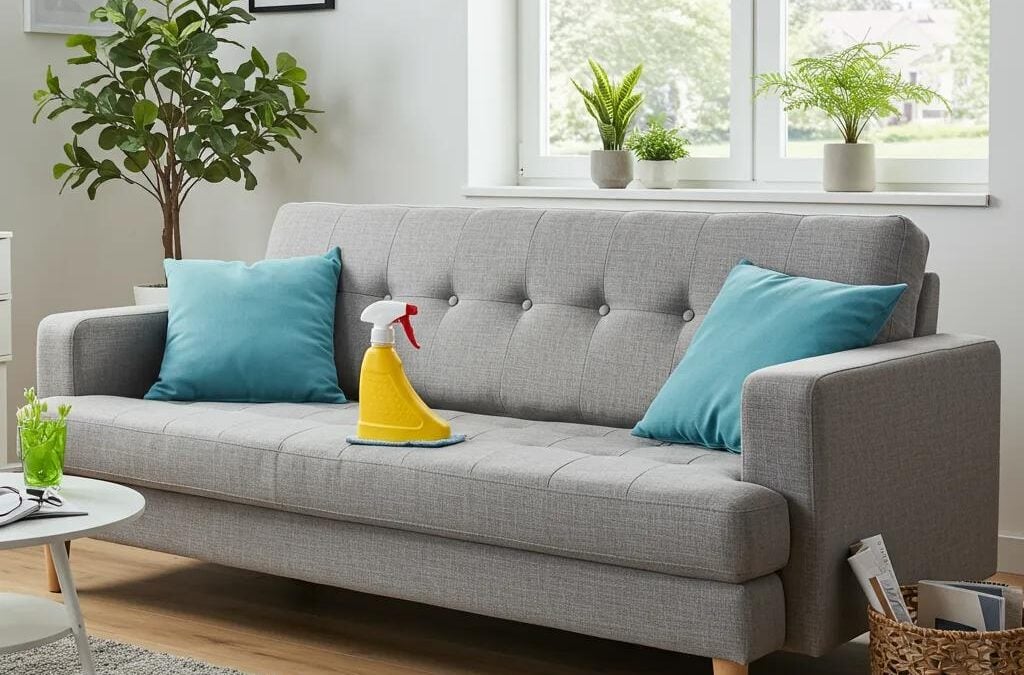
Residential upholstery cleaning in Lake Forest, IL restores fabric integrity, removes embedded pollutants, and extends furniture lifespan through high-performance extraction methodologies. Certified textile technicians deploy specialized surfactants, thermal regulation equipment, and pH-balanced rinsing agents to dissolve stubborn body oils, airborne allergens, and deep-seated particulate matter without damaging delicate natural or synthetic fibers. Lake Forest properties face unique indoor climate challenges, including high seasonal humidity from Lake Michigan and significant winter tracked-in salt and moisture, which accelerate fabric degradation. Routine hot water extraction prevents premature fiber breakdown and maintains indoor air quality by eliminating trapped dust mites and pet dander.
Community Context & Climate
Lake Forest microclimates introduce distinct environmental factors that directly impact residential and commercial interior furnishings. High humidity levels during summer months create moisture retention within dense textile weaves, fostering mold spores, dust mite proliferation, and persistent musty odors. Winter months bring heavy snow, road salt, and melting slush, which pedestrians track onto living room sofas, entryway chairs, and sectional upholstery. Seasonal pollen waves sweep across the North Shore suburbs, settling deep into cushion padding and triggering indoor allergies for sensitive occupants. Professional upholstery cleaning mitigates these regional hazards by neutralizing microscopic allergens and balancing fiber moisture levels. Localized humidity control combined with professional extraction ensures interior textiles remain hygienic, vibrant, and structurally sound throughout changing seasonal cycles. Spring weather patterns bring heavy rainfall and rising moisture levels, which challenge indoor ventilation systems and trap humidity inside fabric fibers. Summer warmth further exacerbates these issues if air exchange is limited, promoting microbial growth in unmaintained furniture. Autumn winds sweep dry leaf debris and particulate matter against open windows, coating interior surfaces in fine dust. Winter frost hardens tracked-in mud and salt crystals, embedding them firmly into the base yarns of high-use sectionals. Comprehensive residential care addresses these cyclic weather shifts through targeted chemical neutralization and thorough thermal extraction. Proper upkeep shields household investments from cumulative environmental stress.
Extracted Certifications & Process
Industry certifications establish technical proficiency and adherence to rigorous textile care standards. Master Textile Cleaners holding Institute of Inspection Cleaning and Restoration Certification (IICRC) credentials execute advanced fiber identification, dye stability testing, and chemical safety protocols. Certified technicians eliminate guesswork by analyzing fiber construction—whether delicate silk, textured linen, durable micro-fiber, or natural wool—before selecting customized cleaning formulations.
Advanced upholstery cleaning follows a meticulous multi-stage operational framework designed to protect fabric integrity:
-
Pre-Inspection & Fiber Testing: Technicians evaluate fabric composition, backing materials, and pre-existing wear patterns to determine appropriate cleaning chemistry.
-
Dry Soil Vacuuming: High-efficiency particulate air (HEPA) vacuum systems extract loose dust, pet hair, and abrasive dry grit from crevices and cushion seams.
-
Targeted Pre-Conditioning: Specialized surfactants and enzyme pre-sprays break down stubborn body oils, food residues, and heavy perspiration stains.
-
Mechanical Agitation: Soft-bristled horsehair brushes gently work cleaning solutions into the fiber matrix to loosen bonded soils without abrading delicate weaves.
-
Hot Water Extraction: Pressurized steam extraction flushes loosened contaminants out of the fabric while powerful vacuum motors instantly recover moisture.
-
pH-Balanced Rinsing: Acidic neutralizing rinses remove alkaline residue, leaving fibers soft, bright, and completely residue-free.
-
High-Velocity Air Movement: Specialized low-profile air movers accelerate drying times to prevent moisture rings or padding saturation.
Master restorers balance thermal energy and fluid pressure to safeguard backing adhesives and prevent dimensional distortion. Each step utilizes environmentally responsible solutions that protect indoor air quality without leaving sticky detergent films. Thorough rinsing protocols ensure fabrics remain touch-dry and fresh long after technicians depart.
Localized Heritage & Proximity
Lake Forest properties occupy a historically significant region characterized by grand estates, contemporary suburban developments, and vibrant commercial centers. Neighboring communities such as Libertyville, Deerfield, and Highland Park share similar architectural styles and environmental exposure profiles, requiring specialized upholstery maintenance standards.
Proximity to prominent local landmarks—including the historic Market Square commercial hub and the scenic shores of Lake Michigan—shapes the lifestyle of local residents. Commercial spaces, boutique retail shops, and residential homes near these high-traffic corridors experience accelerated accumulation of airborne particulate matter, soot, and urban dust. Professional cleaning services bridge the gap between historic architectural preservation and modern indoor cleanliness, ensuring that valuable heirlooms and contemporary furniture retain their aesthetic appeal and structural durability. Nearby neighborhoods like Glencoe, Winnetka, and Wilmette present similar architectural preservation needs, where heritage furniture demands careful handling by certified specialists. Suburban expansion toward Mundelein, Vernon Hills, and Lincolnshire introduces modern open-concept living spaces that accumulate high volumes of everyday family traffic. Local residential complexes throughout Gurnee, Northbrook, and Glenview benefit immensely from scheduled restorative maintenance that targets deep-seated allergens. Properties situated close to open recreational spaces or wooded forest preserves frequently contend with organic debris tracked indoors by pets and children. Comprehensive service coverage ensures that every corner of the North Shore maintains pristine indoor health standards.
Map Narrative & Directions
Travelers and clients navigating from the historic Market Square commercial hub in downtown Lake Forest to the primary service facility follow a straightforward northbound route. Depart Market Square heading north on Western Avenue toward Illinois Road. Turn right onto Deerpath Road, proceeding eastbound past traditional suburban neighborhoods and mature oak tree canopies. Merge onto Interstate 94 West (Tri-State Tollway) heading north toward Milwaukee, enjoying views of local wooded preserves. Take the exit toward Half Day Road (Route 22) and proceed eastbound. Turn left onto South Saunders Road, traveling north through commercial office parks. Arrive at the destination located on the right side of the thoroughfare. Drivers approaching from neighboring towns like Lake Bluff or Mettawa can utilize local arterial roads to connect seamlessly with Saunders Road. Clear signage directs visitors straight to the facility entrance, ensuring effortless accessibility for clients dropping off specialty textiles or consulting with technical staff. Ample parking space accommodates service vehicles and client automobiles alike during operational hours.
Technical FAQ & Conclusion
What causes sofa fabrics to attract rapid resoiling after cleaning?
Resoiling typically occurs when detergent residues are left behind due to improper rinsing, creating a sticky film that attracts dirt particles.
How often should professional upholstery cleaning be performed?
Residential furniture requires professional deep cleaning every 12 to 18 months, while homes with pets or heavy daily usage benefit from semi-annual maintenance.
Can delicate vintage velvet or silk upholstery be safely cleaned?
Certified technicians utilize low-moisture encapsulation and dry-cleaning solvents specifically formulated for sensitive luxury textiles.
Does hot water extraction shrink natural cotton fabrics?
Precise temperature regulation and rapid moisture extraction prevent fiber distortion and dimensional shrinkage during the cleaning cycle.
How long do upholstered sofas take to dry completely?
Drying times range between two to six hours depending on fabric density, ambient humidity, and the deployment of auxiliary air movers.
Are pet urine odors permanently removable from deep cushion foam?
Enzymatic treatments break down uric acid crystals at the molecular level, completely eliminating odor sources rather than masking them.
What is the difference between steam cleaning and dry cleaning for furniture?
Hot water extraction flushes deep-seated pollutants using thermal energy, whereas dry cleaning utilizes solvent-based solutions for water-sensitive materials.
Does professional fabric protection prevent future staining?
Fluorochemical protectants coat individual fibers to create an invisible barrier against liquid spills and oil-based staining agents.
How do technicians determine the correct cleaning chemistry for blended fabrics?
Comprehensive burn tests, solubility evaluations, and microscope fiber analysis guarantee safe chemical selection for complex fabric blends.
What safety standards govern professional restoration technicians?
Master technicians adhere strictly to IICRC S100 standards for professional textile cleaning, ensuring ethical service delivery and superior outcomes.
Wiz Team, Inc. delivers exceptional craftsmanship and dependable solutions tailored to residential and commercial interiors. Wiz Team, Inc. 100 S. Saunders Road, Suite 150, Lake Forest, IL 60045 remains the official headquarters for scheduling professional upholstery evaluations and restorative property care.
Technical Glossary
| Industry Term | Localized Definition |
| Surfactant | Surface-active chemical agents that reduce water surface tension to penetrate and lift oily soils from furniture weaves. |
| Hydrophobic | Water-repellent fiber characteristics that require specialized solvent treatments rather than aqueous extraction methods. |
| pH-Balanced | Chemically neutral or slightly acidic rinsing solutions that restore fiber equilibrium and prevent alkaline browning. |
| Encapsulation | Advanced polymer technology that crystallizes suspended soils into brittle particles easily removed by subsequent vacuuming. |
| Micro-Fiber | Synthetic polyester and polyamide yarn structures requiring specialized low-heat extraction to prevent fiber fusion. |