

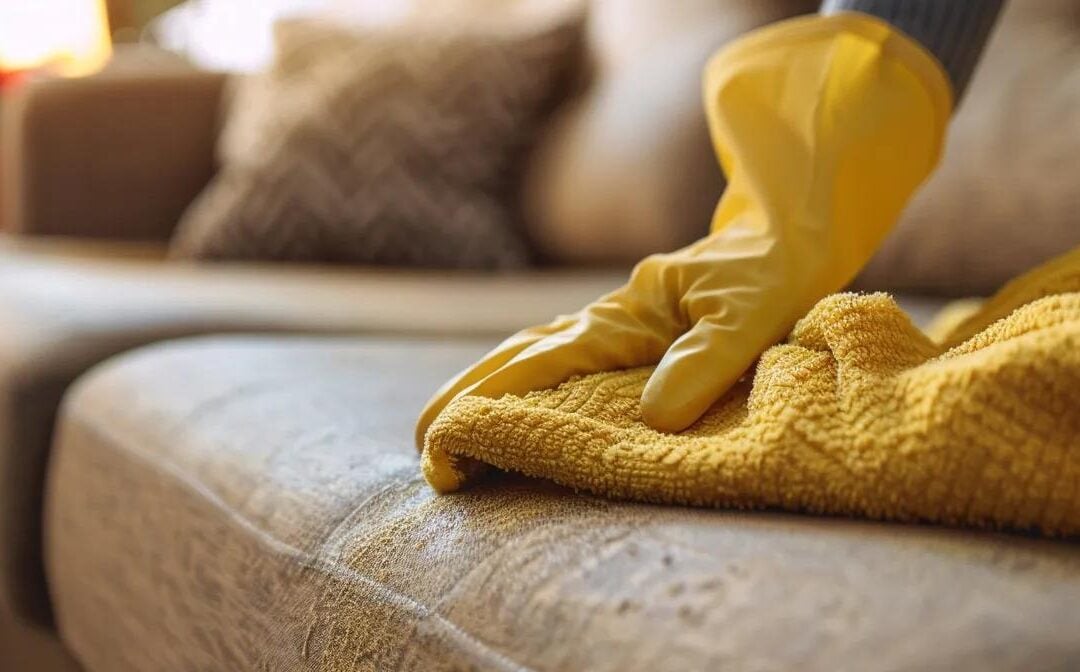
Many homeowners hope DIY upholstery cleaning will match professional results, but limits in equipment, technique, and experience often prevent that. This article outlines common DIY pitfalls, evaluates typical stain-removal approaches, and summarises why professionals can be a better choice for difficult stains, delicate fabrics, or health-related cleaning needs.
Choosing between DIY upholstery cleaning and hiring professional services is a frequent decision faced by homeowners.
DIY vs. Professional Upholstery Cleaning Guide
Upholstery cleaning is essential to maintaining a home’s condition; determining whether DIY methods or professional services are more appropriate can be difficult.
Diy vs Professional Upholstery Cleaning: Better for Your Home?, 2024
What Are the Common Limitations of DIY Upholstery Cleaning?
DIY cleaning often lacks specialised tools and the fabric knowledge professionals use to choose correct products and methods. Home methods can be time-consuming and, if applied incorrectly, may leave residues, cause color changes, or damage fibers—creating the need for professional remediation.
Which DIY Cleaning Mistakes Risk Fabric Damage?
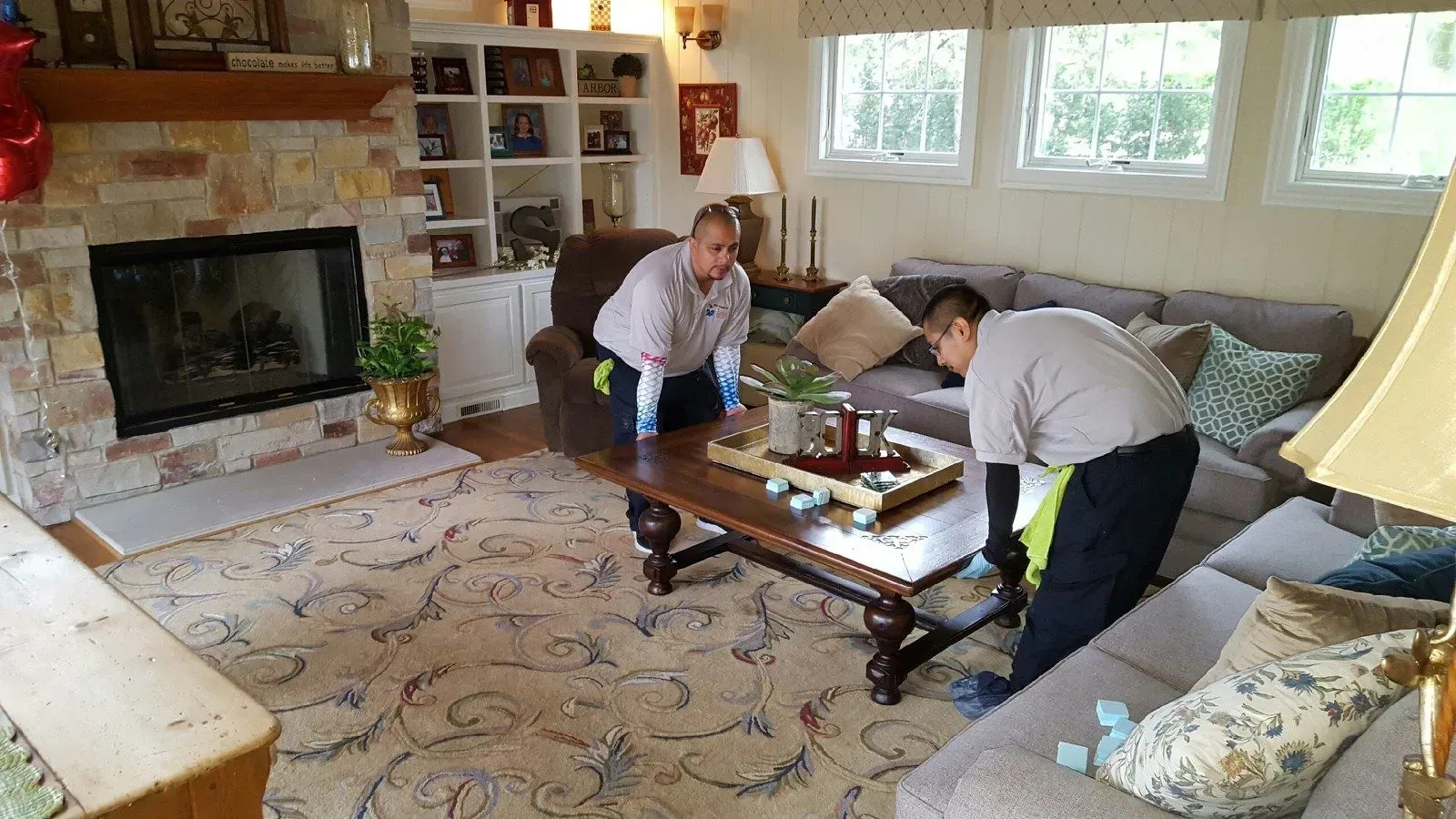
Common DIY errors that can harm upholstery include:
- Over-wetting the Fabric: Excess moisture encourages mold and weakening of fibers.
- Neglecting to Pre-test Cleaning Solutions: Skipping a small-area test risks discoloration or material damage.
- Using Incorrect Cleaning Methods: The wrong technique can abrade or shrink certain fabrics.
Being aware of these mistakes reduces the chance of costly damage.
How Effective Are DIY Methods at Removing Tough Stains?
DIY approaches can work for some stains: water-based spots (coffee, juice) often respond to mild, tested solutions, while oil-based or set-in stains usually need specialised solvents and equipment. Aggressive scrubbing, over-wetting, or slow drying can worsen appearance or leave odors.
For challenging stains or valuable pieces, professionals offer advanced methods and eco-friendly products that reduce the risks common to DIY treatments.
Wiz Team Inc. provides professional upholstery cleaning in Lake Forest that employ advanced techniques and eco-friendly solutions to remove stains while reducing the risks associated with DIY approaches.
What Are the Key Benefits of Professional Upholstery Cleaning Services?
Professionals deliver benefits that are hard to match at home:
- Expertise and Experience: Proper fabric identification and method selection.
- Advanced Equipment: Machines reach deep fibers to remove soil and allergens.
- Time Savings: Faster, consistent results with less effort for the homeowner.
These advantages are why many homeowners opt for professional service when quality and safety matter.
How Do Professionals Use Eco-Friendly Cleaning Solutions?
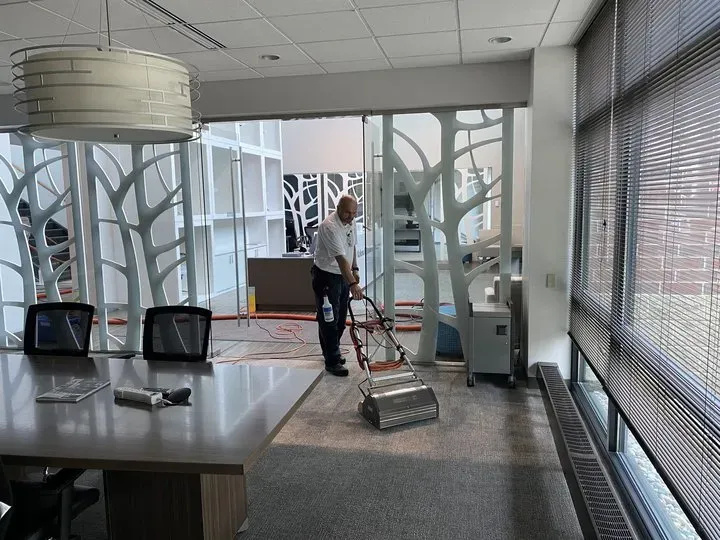
Many cleaners prioritise eco-friendly formulas that remove dirt without harsh chemicals. Technicians assess fabric and stain type before choosing products designed to clean effectively while limiting harm to upholstery and indoor air quality.
What Advanced Equipment Ensures Superior Cleaning Results?
Key professional tools include:
- Upholstery Steam Cleaners: Steam loosens soils without strong solvents.
- Hot Water Extraction Machines: Inject-and-extract systems remove deep dirt and moisture.
- Low-Moisture Encapsulation Equipment: Uses minimal water and agents that encapsulate and lift soils.
These machines help achieve a deeper, more consistent clean than most home devices.
When Should You Hire Professional Upholstery Cleaners Instead of DIY?
Hire professionals for situations beyond routine maintenance:
- Severe Staining: Set-in stains often need specialised removal to avoid fabric damage.
- Delicate Fabrics: Silk, velvet, and some synthetics require trained handling.
- Health Concerns: Allergies or respiratory issues may call for professional allergen removal and sanitisation.
Recognising these triggers helps you choose the right time to call a pro.
What Upholstery Conditions Require Expert Restoration?
Expert restoration is appropriate when damage or contamination goes beyond cleaning:
- Severe Staining: Persistent marks that resist standard cleaning.
- Persistent Odors: Lingering smells that suggest deep contamination.
- Delicate Fabrics: Materials likely to be harmed by typical cleaning.
In such cases, restoration specialists can assess and treat the underlying problems.
How Does Professional Cleaning Extend Furniture Life?
Professional cleaning removes embedded dirt and allergens that abrade fibers and speed wear. Technicians can also apply protective treatments that reduce future staining and prolong fabric appearance and comfort.
Which Are the Best DIY Upholstery Cleaning Products and Techniques?
If you choose DIY, prefer tested, fabric-appropriate options and follow directions:
- Enzyme-Based Pretreaters: Useful on organic stains.
- Plant-Derived Surfactants: Gentler surfactants lift dirt without harsh chemistry.
- Natural Solutions: Carefully tested vinegar-and-water mixes can work for some stains.
Always spot-test and use minimal moisture to avoid damage.
What Eco-Friendly Products Are Safe for Home Use?
Safe, effective eco-friendly choices include:
- Enzyme-Based Cleaners: Break down organic soils safely on many fabrics.
- Natural Disinfectants: Vinegar and baking soda used correctly can deodorise and clean.
- Steam Cleaning Methods: Steam can sanitise without chemical residues when fabric care allows.
Select products with clear usage guidance and test before broader application.
What Upholstery Stain Removal Tips Improve DIY Outcomes?
To get better DIY results, follow these basics:
- Preparation Steps: Vacuum first to remove loose soil.
- Effective Cleaning Methods: Match product and technique to the stain and fabric.
- Regular Maintenance: Treat spills promptly and clean periodically to prevent buildup.
These steps reduce the need for intensive cleaning and protect fabric health.
To ensure optimal care for your upholstery, consider professional cleaning services.
Residents of Lake Forest may access professional upholstery cleaning services to address specific needs and concerns.
If you are in Lake Zurich, consider the benefits of professional upholstery cleaning to preserve the appearance and longevity of your furniture.
For comprehensive cleaning services, contact Wiz Team Inc. to ensure your upholstery receives professional care.
Frequently Asked Questions
What are the signs that my upholstery needs professional cleaning?
Look for persistent stains, strong or lingering odors, visible fabric wear, or increased household allergy symptoms—these commonly indicate a need for professional cleaning.
How often should I have my upholstery professionally cleaned?
Generally every one to two years; homes with pets, children, or heavy use may need cleaning every six to twelve months.
Can I use a steam cleaner on all types of upholstery?
Not always. Check the manufacturer’s care label—delicate fabrics like silk or some synthetics can be damaged by heat and moisture.
What should I do if my upholstery gets wet during cleaning?
Blot excess moisture, avoid rubbing, and speed drying with fans or a dehumidifier. If odors or stains persist, consult a professional.
Are there any DIY methods that can effectively remove pet stains?
Enzyme-based pet cleaners and a vinegar-and-water solution can help; always test a hidden area first and follow product instructions carefully.
What are the risks of using homemade cleaning solutions?
Homemade mixes can cause discoloration, residues that attract dirt, or fiber damage if mismatched to the fabric—test first and proceed cautiously.
How can I maintain my upholstery between professional cleanings?
Vacuum regularly, treat spills quickly, use fabric protectors when appropriate, rotate cushions for even wear, and avoid prolonged direct sunlight.
Conclusion
DIY upholstery cleaning can be effective for routine maintenance and some stains, but limitations in tools and fabric knowledge mean results often fall short of professional standards. For set-in stains, delicate materials, or health-related concerns, professional cleaning—using specialised equipment and eco-friendly products—offers safer, more reliable outcomes and helps extend furniture life.