


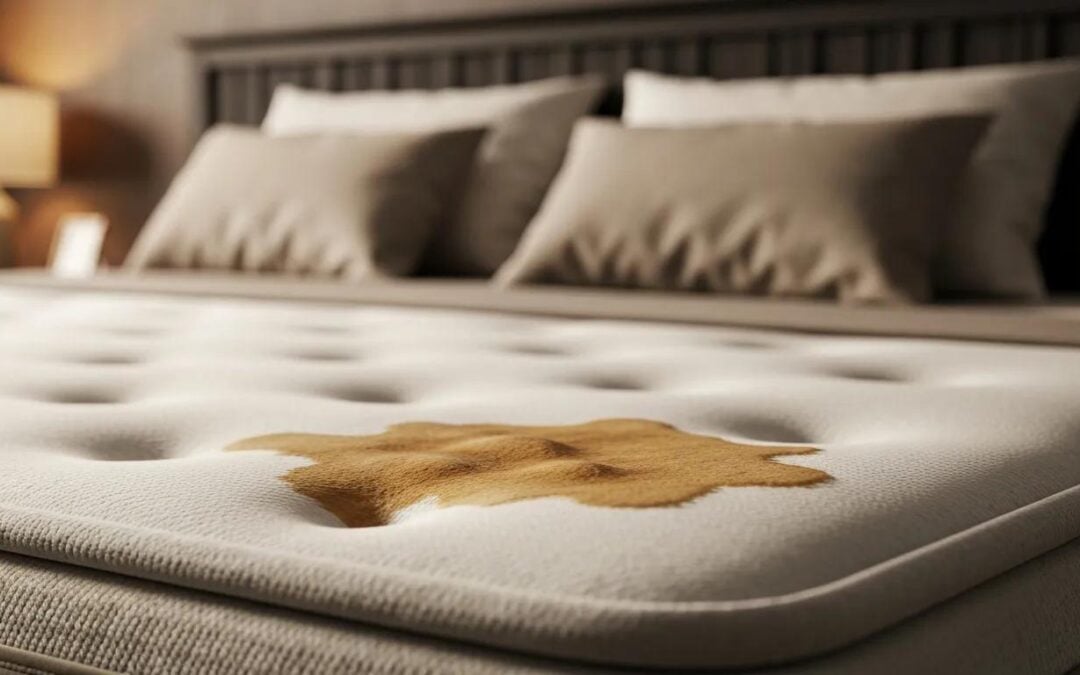
Mattress stains can silently degrade sleep quality, shorten mattress life, and signal deeper allergen or microbial problems that affect health and indoor air. This guide explains how to identify the most common mattress stains, the underlying mechanisms that cause them, safe DIY removal methods, and clear signals for when professional intervention is the best option. Readers will learn practical, step-by-step treatments for sweat, urine, blood, food and drink spills, and biological stains like mold and mildew, plus prevention strategies to keep a mattress hygienic. The article also outlines what a professional cleaning delivers—deep allergen reduction, odor control, and stain lift—so you can weigh DIY versus pro cleaning. Expect quick identification tips, EAV-style comparison tables for immediate decision-making, actionable how-to lists, and local service context for readers in Grayslake, IL and nearby communities.
What Are the Most Common Types of Mattress Stains?
Mattress stains fall into a few clear categories based on source, appearance, and risk: bodily fluids (sweat, urine, blood), food and drink spills (coffee, wine, grease), biological growth (mold, mildew), and rust or metal marks. Each stain type forms through specific mechanisms—proteins and salts from sweat and blood bind to fibers, tannins in wine and coffee dye fabric, and moisture plus organic residue encourages mold growth—which determines the correct treatment and urgency. Identifying the stain by color, smell, and context helps choose the safest cleaning route and reduces the chance of setting the stain. Below is a quick reference table to identify stain types and immediate first actions you can take to limit damage.
Different stains require different immediate actions and varying levels of urgency before deeper cleaning.
| Stain Type | Typical Cause | Visual Clues | Immediate DIY Action |
|---|---|---|---|
| Sweat / Yellowing | Body oils and salts | Yellowed patches, often near shoulders/head | Blot, sprinkle baking soda, ventilate |
| Urine | Pets or humans (incontinence) | Yellow/brown with ammonia odor | Blot, dilute, use enzyme cleaner |
| Blood | Cuts, nosebleeds | Rusty/red brown; coagulates when old | Cold water blot, avoid heat |
| Food/Drink | Spills (coffee, wine, grease) | Tannins or greasy rings | Blot, dilute, apply mild detergent |
| Mold/Mildew | High humidity, leaks | Spotty dark/greenish growth, musty smell | Isolate mattress, dry thoroughly, consider pro help |
This table helps you match what you see to a safe first step and prepares you for the next action.
How to Identify Sweat, Urine, Blood, and Food Stains on Mattresses
Sweat stains usually appear as faint yellowing around sleeping positions and often coincide with odor or firmness changes, while urine tends to leave darker rings and a sharp ammonia smell when fresh. Blood spots are reddish to brown and become harder to remove if heat or alkaline cleaners are used; they often indicate recent injury or nighttime bleeding. Food and beverage stains vary by color and texture—coffee and wine leave tannin-based discoloration, greasy foods produce translucent oils—so identifying the residue helps pick the correct solvent. Always perform a spot test on a mattress seam or hidden area before treating the main stain to avoid fabric damage.
These identification cues lead directly into stain-specific DIY methods that maximize removal while protecting mattress materials.
What Causes Mold, Rust, and Mildew Stains on Mattresses?
Mold and mildew form when moisture—sweat, spills, high indoor humidity, or leaks—soaks into mattress layers and sits without adequate airflow, feeding on organic material and dust. Rust stains arise when metal bed frames or springs corrode and transfer iron oxide to fabric, producing reddish brown marks that differ chemically from biological stains. Mold and mildew pose health risks like allergy or respiratory irritation and indicate deeper contamination that often requires drying and targeted treatment rather than surface cleaning alone. Rapid drying and humidity control are essential first steps; persistent growth typically needs professional remediation to remove spores and fully restore mattress hygiene.
Preventing moisture accumulation is the next key step, since drying and prevention stop microbial growth from recurring.
How Do Allergens and Dust Mites Relate to Mattress Stains?
Stains often coincide with increased allergen load because bodily fluids, skin flakes, and food residue feed dust mites and harbor pollen or pet dander, making mattresses allergen reservoirs. Dust mites consume skin cells and thrive in warm, humid bedding; their waste and fragments are primary indoor allergens that worsen asthma and allergy symptoms. Visible staining can therefore be a practical indicator that a mattress also contains elevated allergen levels, even if you can’t see mites. Professional cleaning or deep vacuuming reduces allergen counts and removes stain-associated organic matter, improving indoor air quality and reducing symptoms for sensitive sleepers.
Recognizing this link helps prioritize treatments that address both stain removal and allergen reduction together.
What Are the Best DIY Methods to Remove Common Mattress Stains?
DIY mattress stain removal is effective for many fresh stains when you match the chemistry of the cleaner to the stain and avoid heat or aggressive scrubbing that sets stains. The core principle is: blot to remove excess liquid, apply a targeted cleaning solution sparingly, work from the outside in, and dry thoroughly to prevent mold. Use gentle, enzyme-based cleaners for biological stains, mild detergent for tannin-based spills, and baking soda plus vinegar to neutralize odors and lift residues. Below is a comparison table that pairs stain types with the best at-home treatments, common mistakes to avoid, and signals that suggest professional help is needed.
These DIY recipes are practical for immediate action; follow safety notes and material compatibility checks on mattress labels.
| Stain Type | Best DIY Treatment | Avoid (what not to do) | When to Call a Pro |
|---|---|---|---|
| Sweat | Baking soda paste + vacuum | Saturating mattress with water | Persistent yellowing or odor |
| Urine | Enzyme cleaner + blot + baking soda | Hot water or bleach | Lingering ammonia odor |
| Blood | Cold water blotting + mild detergent | Heat or strong alkali | Large or biohazardous amounts |
| Coffee/Wine | Dish soap + white vinegar dilution | Rubbing that spreads stain | Deep-set tannin stains |
| Mold/Mildew | Surface cleaning + drying | Bleach on foam or soaking | Visible growth beyond surface |
Use the table to choose the right home treatment and to know when DIY will likely fall short.
How to Remove Sweat and Yellow Stains Using Baking Soda and Vinegar
For yellow sweat stains, make a light paste of baking soda and water and apply gently to the stained area to lift oils and salts. After 30–60 minutes, vacuum the powder and blot the residue with a cloth dampened in a 1:1 solution of white vinegar and water; the vinegar helps neutralize odors and break down residues. Keep moisture minimal by using a spray bottle rather than pouring liquid, and allow the mattress to air-dry upright in sunlight or a well-ventilated room. If yellowing persists after one treatment, repeat once more before considering stronger methods or professional help.
This approach balances stain lift and material protection, and it naturally leads into safer methods for more challenging biological stains.
What Is the Step-by-Step Process to Clean Blood and Urine Stains Safely?
For blood, always use cold water and blot—never apply heat, which will set proteins into fibers—and follow with a mild detergent solution to lift residual pigment. For urine, begin by blotting up excess fluid, then apply an enzyme cleaner that digests proteins and neutralizes odors; finish with baking soda to absorb moisture and residual odor before vacuuming. Wear gloves for biofluids and work gently to avoid driving stains deeper into mattress layers. Repeat treatments sparingly and prioritize drying to prevent microbial growth; persistent odors after DIY enzyme treatment indicate a need for deeper cleaning.
These safe steps minimize risk and preserve mattress integrity while targeting the underlying stain chemistry.
How Can Coffee, Wine, and Food Stains Be Effectively Treated at Home?
Address beverage stains quickly by blotting to remove excess liquid, then apply a mild detergent solution or diluted white vinegar to break down tannins and oils; use a soft cloth and work outward from the stain. For greasy food stains, a small amount of dish soap emulsifies oils before blotting and drying; follow with baking soda to absorb residual grease. Avoid aggressive scrubbing that can damage fabric or push stain deeper, and do not use heat until the stain is fully lifted and the area is dry. If color remains after two gentle treatments, consider a professional extraction to avoid permanent discoloration.
These stain-specific choices keep treatments effective without compromising mattress materials.
When Should You Avoid DIY and Consider Professional Cleaning?
Consider professional cleaning when stains are old and deeply set, odors persist after multiple DIY attempts, visible mold or mildew is present, or allergy symptoms worsen despite home care. Large blood contamination or biohazardous liquids require professional protocols and should not be handled only with household cleaners. If you live near Grayslake and tried DIY without success, a local option is available to provide cleaning service in Grayslake, IL and neighborhoods within 15mile radius. Professionals can use hot water extraction, commercial enzymes, and controlled drying to remove deep contaminants and reduce allergen loads safely.
Escalating to pro care protects health and often restores the mattress more thoroughly than repeated home attempts.
When and Why Should You Choose Professional Mattress Cleaning in Grayslake, IL?
Professional mattress cleaning offers deeper extraction of soils, allergen reduction, reliable odor elimination, and safe handling of biological stains that DIY methods often cannot fully address. Certified technicians deploy equipment like hot water extraction and targeted enzyme systems that pull out embedded proteins, dust mite debris, and odors while controlling moisture to stop mold growth. For residents who need local service, provide cleaning service in Grayslake, IL and neighborhoods within 15mile radius. Below is a concise table that outlines typical service offerings, benefits, and industry cost context to help you evaluate whether to book professional cleaning.
Professional cleaning is particularly beneficial for allergy sufferers, households with pets, or mattresses exposed to repeated spills and humidity.
| Service Offering | Primary Benefit | Typical Cost Range |
|---|---|---|
| Hot Water Extraction | Deep stain and soil removal | $65–$150 (industry range) |
| Enzyme Treatment | Neutralizes biological stains/odors | Adds targeted odor control |
| Allergen Reduction | Lowers dust mite and allergen counts | Value for allergy sufferers |
This table sets expectations for outcomes and cost variables so you can compare providers realistically.
What Are the Benefits of Professional Mattress Cleaning for Stain and Allergen Removal?
Professional cleaning reduces allergen loads by extracting dust mite debris and skin-cell residue that feed allergens, which improves indoor air quality and can reduce respiratory symptoms. Technicians also remove deep-set stains and odors through controlled high-temperature extraction and enzyme application that DIY methods cannot replicate safely. A professional service extends mattress life by removing abrasive soils and restoring padding resilience, which delays replacement. These combined benefits make professional cleaning a strong option for households with allergies, pets, or persistent odors.
Understanding these benefits clarifies when the cost of professional cleaning yields meaningful health or longevity returns.
How Does Wiz Team Inc. Use Eco-Friendly and Certified Techniques?
Wiz Team Inc. is a family-owned cleaning and restoration business that offers eco-friendly cleaning delivered by certified professional technicians. The company highlights eco-friendly cleaning, certified technicians (IICRC Master Textile Cleaners referenced), and a satisfaction guarantee that includes re-cleaning or refund if a customer is not satisfied. Their service areas include Grayslake, IL and surrounding Chicagoland communities , and they emphasize plant-forward products and professional extraction methods for safe, effective mattress care.
Beyond mattress care, Wiz Team Inc. also provides comprehensive carpet cleaning and other specialized services to maintain a healthy home environment.
These attributes show how certified, eco-friendly processes provide measurable advantages over casual home treatments.
How Often Should You Schedule Professional Mattress Cleaning?
As a baseline, schedule professional mattress cleaning every 12 months for average households to maintain hygiene and reduce allergen buildup, and consider 6–12 month intervals for homes with pets, allergy sufferers, or heavy use. High-humidity homes or mattress users who sweat heavily may need more frequent treatments to prevent microbial growth and odor. Use professional cleaning to reset allergen levels and follow with protector use and routine vacuuming to extend the interval between services. Regular scheduling supports mattress longevity and creates fewer emergency cleaning needs over time.
These frequency guidelines let you tailor a maintenance plan that balances cost, health, and mattress lifespan.
What Is the Typical Cost of Mattress Deep Cleaning in Grayslake?
Industry averages for mattress deep cleaning commonly range from about $65 to $150 depending on mattress size, severity of stains, and travel or service complexity. Factors that increase cost include heavy biological contamination, multiple-treatment protocols, or expedited scheduling needs. For an accurate local estimate, describe mattress size, visible issues, and any odor or allergy concerns when you request a quote. Transparent pricing conversations help you compare value across providers and select services that match both hygiene goals and budget.
Knowing the cost drivers helps you anticipate service value and avoid unexpected charges.
How Can You Prevent Future Mattress Stains and Maintain Mattress Hygiene?
Preventing stains focuses on reducing sources of moisture and residue, protecting the mattress surface, and keeping the sleeping environment dry and clean. Use a mattress protector to shield against liquids and oils, vacuum regularly to remove skin flakes and dust mite food, handle spills immediately with safe blot-and-dry steps, and rotate or air the mattress periodically to support even wear and drying. Combining these daily habits with periodic professional cleaning yields the best long-term hygiene and stain prevention outcomes. Below are practical prevention steps you can implement today to minimize future problems.
These prevention measures reduce stain risk and limit the need for deep cleaning.
What Role Do Mattress Protectors and Regular Vacuuming Play?
Mattress protectors provide a barrier against liquids, oils, and spills while allowing breathability if you choose breathable or encasement styles; waterproof covers offer stronger spill protection but vary in comfort. Regular vacuuming with a soft upholstery attachment removes skin flakes and dust, reducing food for dust mites and delaying allergen accumulation. Together, protectors and vacuuming reduce visible staining and extend the interval between professional cleanings, preserving mattress materials and sleep quality. Choosing the right protector type balances protection, comfort, and breathability for your situation.
These measures form the first layer of defense that minimizes both stains and allergen buildup.
How Should You Handle Spills and Stains Immediately?
When a spill occurs, act quickly: blot excess liquid with an absorbent cloth, work from the outside of the stain inward to prevent spreading, and apply small amounts of an appropriate cleaning solution rather than dousing the mattress. Avoid heat and aggressive scrubbing, which can set protein and tannin stains; instead, use cold water for blood and enzyme cleaners for urine. After treatment, ensure rapid drying by elevating the mattress edge, using fans, or placing it in sunlight if safe; preventing residual moisture is crucial to avoid mold. If the stain or odor persists after careful DIY attempts, professional extraction is the next safe step.
Quick, appropriate action reduces long-term damage and the chance of microbial growth.
How Does Proper Mattress Airing and Cleaning Reduce Allergens?
Airing a mattress and exposing it to sunlight when possible helps reduce moisture and can inactivate some microbes, while controlled drying prevents dust mite proliferation. Regular surface cleaning and periodic deep cleaning remove the organic residues that feed allergens, which lowers the overall allergen burden in the bedroom. Combined with humidity control and use of a protector, these practices interrupt the lifecycle of dust mites and reduce airborne triggers. Pairing airing with scheduled professional cleaning maintains lower allergen levels for longer and supports better sleep health.
Routine airing and periodic professional care work together to sustain a cleaner, healthier sleep surface.
For Grayslake-area readers who prefer professional help after trying home methods, Wiz Team Inc. can be contacted at their Lake Forest address or by phone for local scheduling and questions: 100 Saunders Rd Suite 150, Lake Forest, IL 60045 — 847-526-6060
Frequently Asked Questions
How can I tell if my mattress is infested with dust mites?
Signs of a dust mite infestation include increased allergy symptoms such as sneezing, runny nose, or itchy eyes, especially when in bed. You may also notice a musty odor or find dark spots on your mattress, which can be fecal matter from dust mites. Regular vacuuming and using allergen-proof mattress covers can help manage dust mite populations. If symptoms persist, consider consulting a professional for deep cleaning and allergen reduction.
What are the long-term effects of not cleaning my mattress?
Neglecting mattress cleaning can lead to a buildup of allergens, dust mites, and bacteria, which may exacerbate respiratory issues and allergies. Over time, stains can become permanent, and odors may develop, making the mattress uncomfortable and unhealthy. Additionally, a dirty mattress can shorten its lifespan, leading to premature replacement. Regular cleaning and maintenance are essential for a healthy sleep environment and to prolong the life of your mattress.
Can I use a steam cleaner on my mattress?
Using a steam cleaner on your mattress can be effective for sanitizing and removing certain stains, but caution is necessary. Excessive moisture from steam can lead to mold growth if not dried properly. Always check the manufacturer’s guidelines before using steam cleaning, and ensure the mattress is thoroughly dried afterward. For best results, consider using steam cleaning as part of a broader cleaning strategy that includes drying and airing out the mattress.
What should I do if my mattress has mold?
If you discover mold on your mattress, it’s crucial to act quickly. First, isolate the mattress to prevent mold spores from spreading. Use a mixture of water and mild detergent to clean the affected area, but avoid soaking the mattress. After cleaning, ensure the mattress is dried thoroughly in a well-ventilated area or sunlight. If the mold persists or covers a large area, it’s best to consult a professional cleaning service to ensure complete removal and prevent health risks.
How can I effectively remove odors from my mattress?
To remove odors from your mattress, start by airing it out in a well-ventilated area or in sunlight, which can help neutralize smells. Sprinkle baking soda over the surface and let it sit for several hours to absorb odors, then vacuum it off. For persistent odors, consider using a mixture of vinegar and water to lightly mist the surface, followed by thorough drying. If odors remain after these methods, professional cleaning may be necessary to address deeper issues.
What are the benefits of using a mattress protector?
A mattress protector serves as a barrier against spills, stains, and allergens, significantly extending the life of your mattress. It helps prevent moisture from sweat or spills from penetrating the mattress, reducing the risk of mold and mildew. Additionally, many protectors are designed to be hypoallergenic, which can help reduce dust mites and other allergens. Regularly washing the protector also contributes to a cleaner sleep environment, making it a worthwhile investment for mattress maintenance.
How often should I vacuum my mattress?
It is recommended to vacuum your mattress at least once every three months to remove dust, skin flakes, and allergens. If you have pets or allergies, consider vacuuming more frequently, such as once a month. Use a vacuum with a soft brush attachment to gently remove debris without damaging the fabric. Regular vacuuming helps maintain a clean sleep environment and can reduce the buildup of dust mites and other allergens, contributing to better sleep quality.
What are the signs that my mattress needs professional cleaning?
Signs that your mattress may require professional cleaning include persistent odors that do not dissipate after DIY treatments, visible stains that remain after multiple attempts to clean, and the presence of mold or mildew. Additionally, if you experience increased allergy symptoms or respiratory issues while sleeping, it may indicate that allergens and dust mites have accumulated in your mattress. Regular professional cleaning can help maintain a healthy sleep environment and prolong the life of your mattress.
Can I use bleach to clean my mattress stains?
Using bleach on mattress stains is generally not recommended, as it can damage the fabric and may not effectively remove the stain. Bleach can also create harmful fumes and may lead to discoloration. Instead, opt for gentler cleaning solutions, such as enzyme-based cleaners for biological stains or mild detergents for food and drink spills. Always perform a spot test on a hidden area of the mattress before applying any cleaning solution to ensure it does not cause damage.
How can I tell if a stain is permanent?
Determining if a stain is permanent can be challenging. If a stain has set in for a long time, especially if it has been exposed to heat or aggressive cleaning methods, it may be more difficult to remove. Additionally, if multiple cleaning attempts have not lifted the stain, it could indicate that it is permanent. However, some stains may still respond to professional cleaning methods, so consulting with a cleaning expert can provide clarity on the stain’s removability.
What should I do if my mattress has a strong odor?
If your mattress has a strong odor, start by airing it out in a well-ventilated area or in sunlight, if possible. This can help reduce moisture and odors. Next, sprinkle baking soda over the surface and let it sit for several hours to absorb odors. Vacuum the baking soda thoroughly afterward. If the odor persists, it may indicate deeper issues, such as mold or biological contamination, which may require professional cleaning to address effectively.
Are there specific cleaning products I should avoid on mattresses?
Yes, certain cleaning products should be avoided on mattresses. Avoid using bleach, strong alkalis, or harsh chemicals, as they can damage the fabric and potentially harm the mattress materials. Additionally, avoid excessive water, which can lead to mold growth. Instead, use gentle, enzyme-based cleaners for biological stains and mild detergents for food and drink spills. Always check the manufacturer’s care instructions for your mattress to ensure compatibility with cleaning products.
How can I maintain my mattress to prevent future stains?
To maintain your mattress and prevent future stains, consider using a waterproof mattress protector to shield against spills and bodily fluids. Regularly vacuum the mattress to remove dust and skin flakes, which can attract allergens. Address spills immediately by blotting and using appropriate cleaning methods. Additionally, rotate your mattress periodically to ensure even wear and allow it to air out in a well-ventilated space. These practices can significantly extend the life of your mattress and keep it hygienic.
What is the best way to store a mattress to prevent damage?
When storing a mattress, it’s essential to keep it in a cool, dry place to prevent moisture buildup and mold growth. Store the mattress flat if possible, as standing it on its side can cause it to lose shape. Use a breathable cover to protect it from dust and pests, but avoid plastic covers that trap moisture. Ensure the storage area is well-ventilated and free from direct sunlight to prevent fading and deterioration of materials. Regularly check on the mattress during storage to ensure it remains in good condition.
Conclusion
Mastering the identification and removal of common mattress stains is crucial for ensuring a hygienic sleep environment and extending the lifespan of your mattress. By utilizing effective DIY techniques or recognizing when to call in professionals, you can significantly enhance indoor air quality and reduce allergens. Don’t let stains disrupt your comfort; take proactive measures to safeguard your mattress today. For expert cleaning services in Grayslake, consider reaching out to us for a thorough and professional solution.